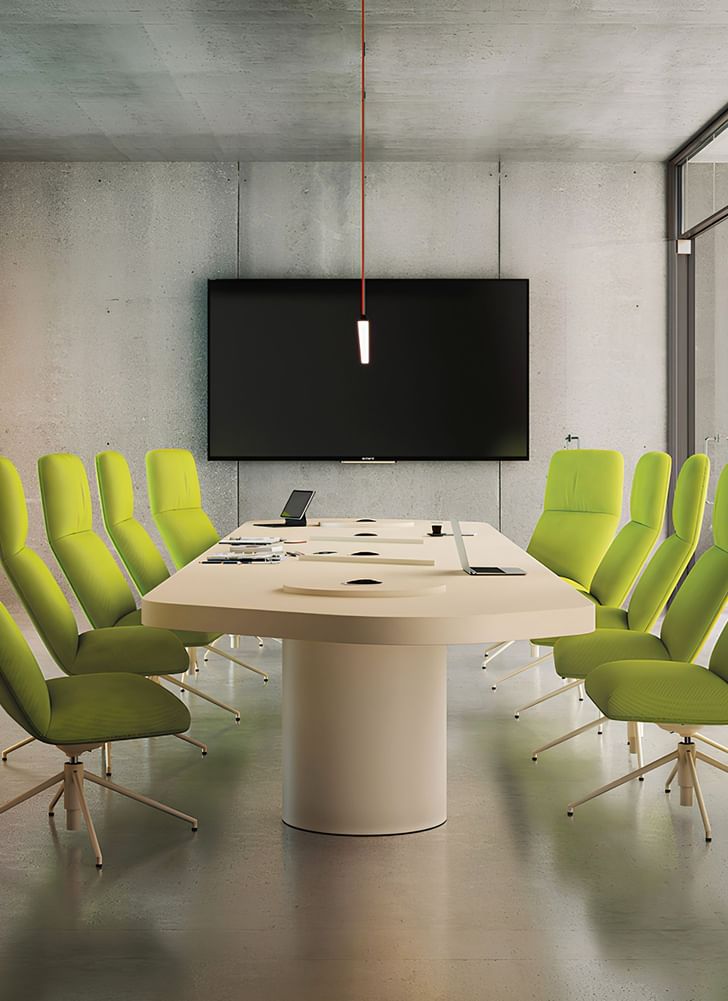
Softness & Sculptural Comfort
One of the strongest threads running through the fair was the continued evolution of soft, sculptural seating. Sofas and lounge pieces felt lower, more expansive, and designed for genuine use rather than formal display.
There was a noticeable shift in Milan this year. Across Salone del Mobile and Milan Design Week, the conversation moved toward something more grounded, with interiors that felt softer, materials that carried more weight, and spaces designed with a stronger sense of atmosphere and lived intention.
Rather than the statement piece as spectacle, many of the most compelling presentations this year were built around complete environments that prioritized comfort, proportion, and material depth over novelty. It was a clear evolution in contemporary furniture design, and one that reflects how people are choosing to live today.
Softness & Sculptural Comfort
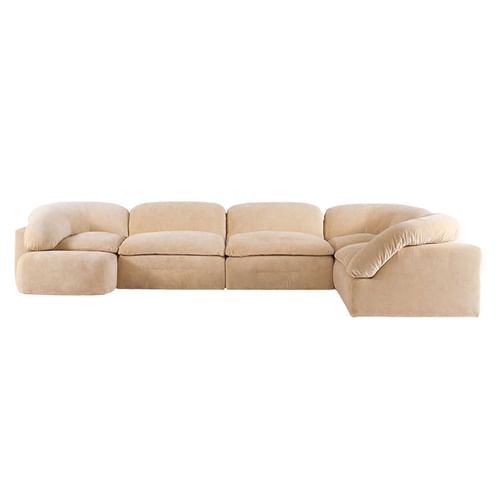
One of the strongest threads running through the fair was the continued evolution of soft, sculptural seating. Sofas and lounge pieces felt lower, more expansive, and designed for genuine use rather than formal display.
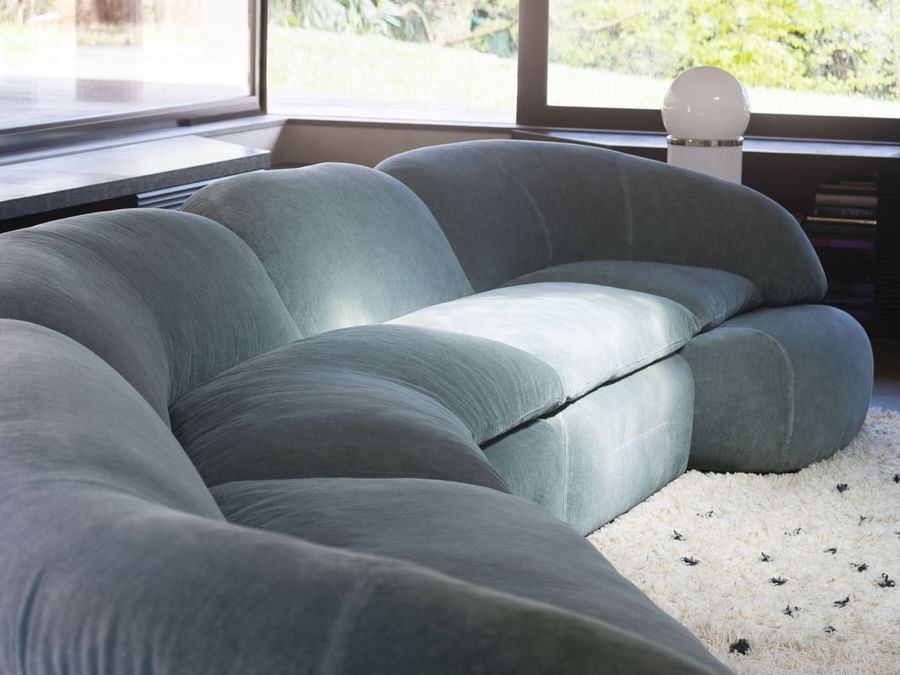
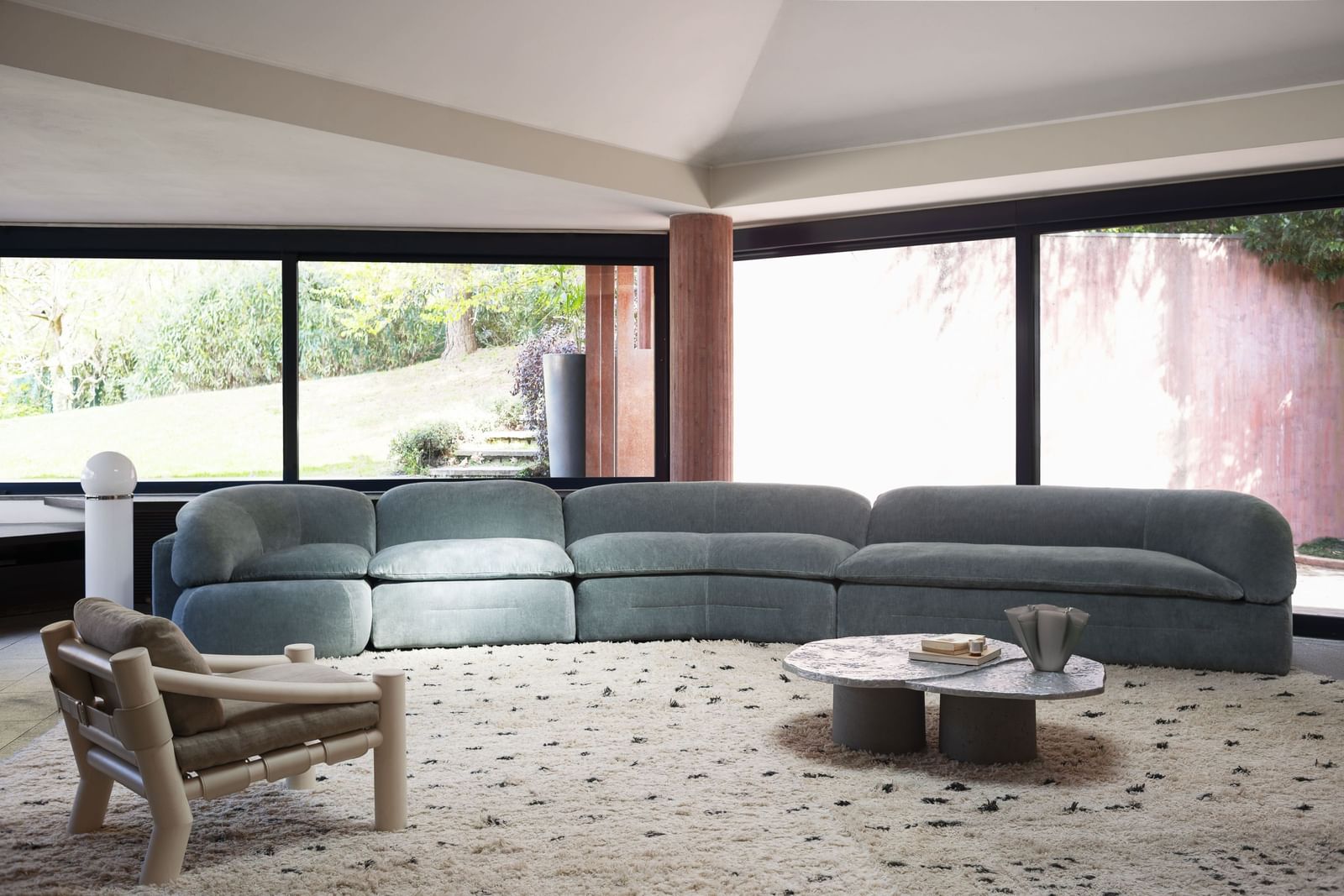
Designed by Faye Toogood, the Butter collection reflects this shift with particular clarity. The modular system introduces rounded forms and generous proportions that invite a more relaxed way of living, shaping the room rather than simply occupying it.
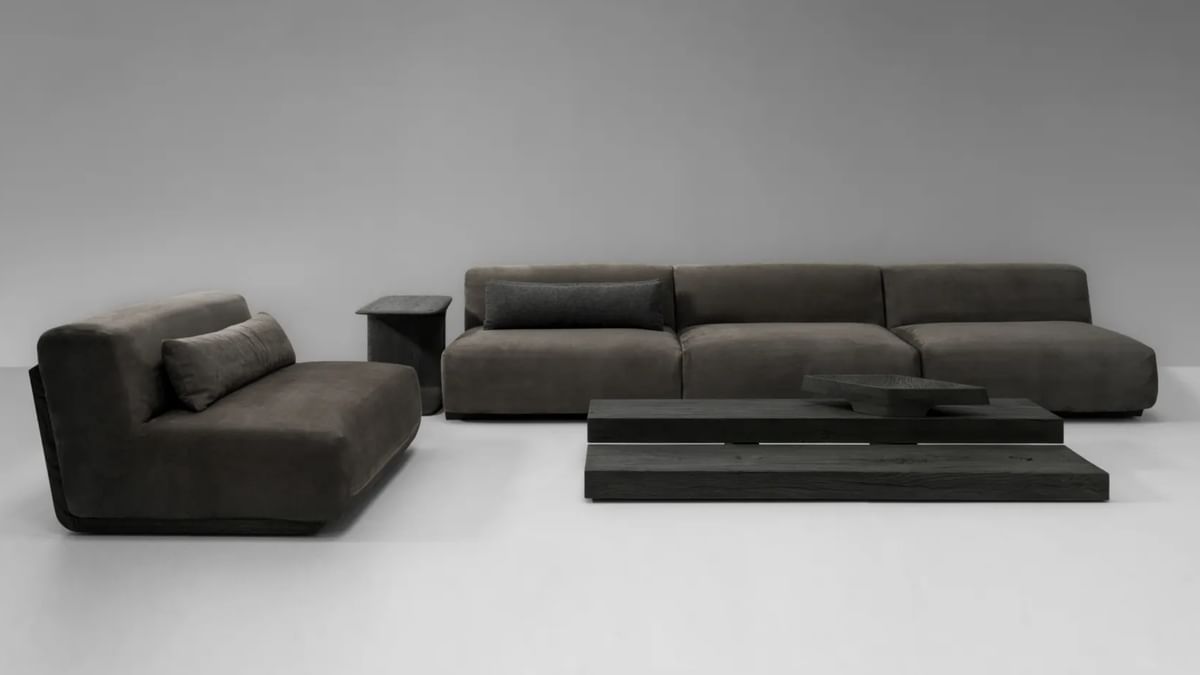
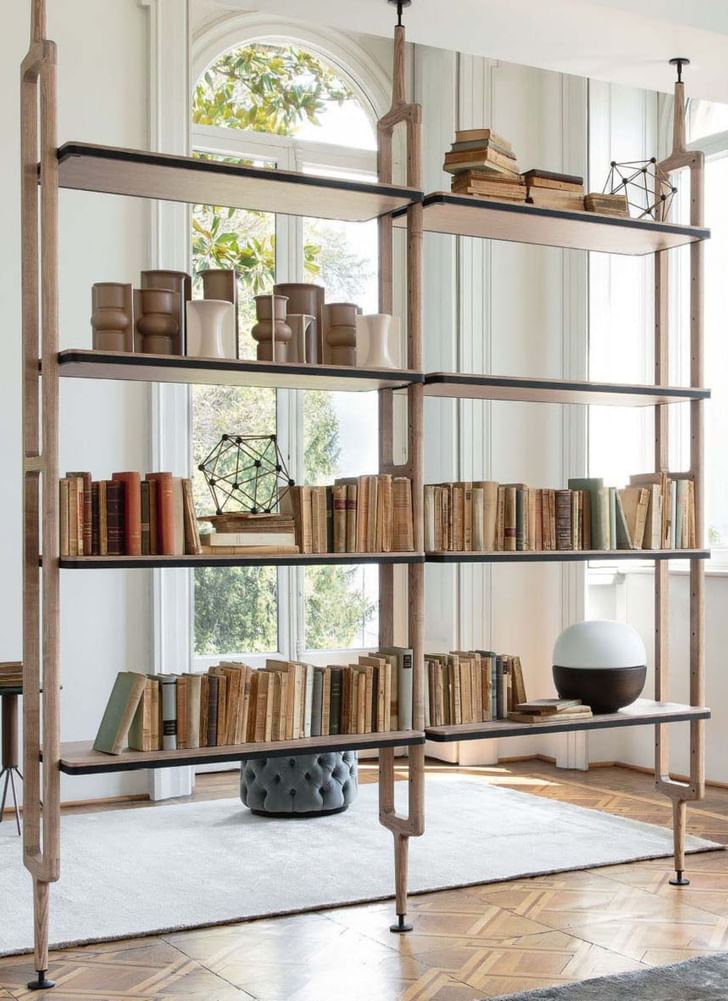
Comfort and craftsmanship rarely arrive together with this much conviction. Van Rossum's Elementis Sofa, designed by Thomas Haarmann pairs architectural structure with the warmth of solid wood, resulting in a piece that reads as both enduring and refined. It is the rare sofa that photographs like sculpture and sits like a sanctuary.
Material Expression
Materiality played an equally defining role across Milan Design Week. Designers leaned into texture, density, and the natural character of each material, allowing surfaces to carry meaning rather than simply support form.
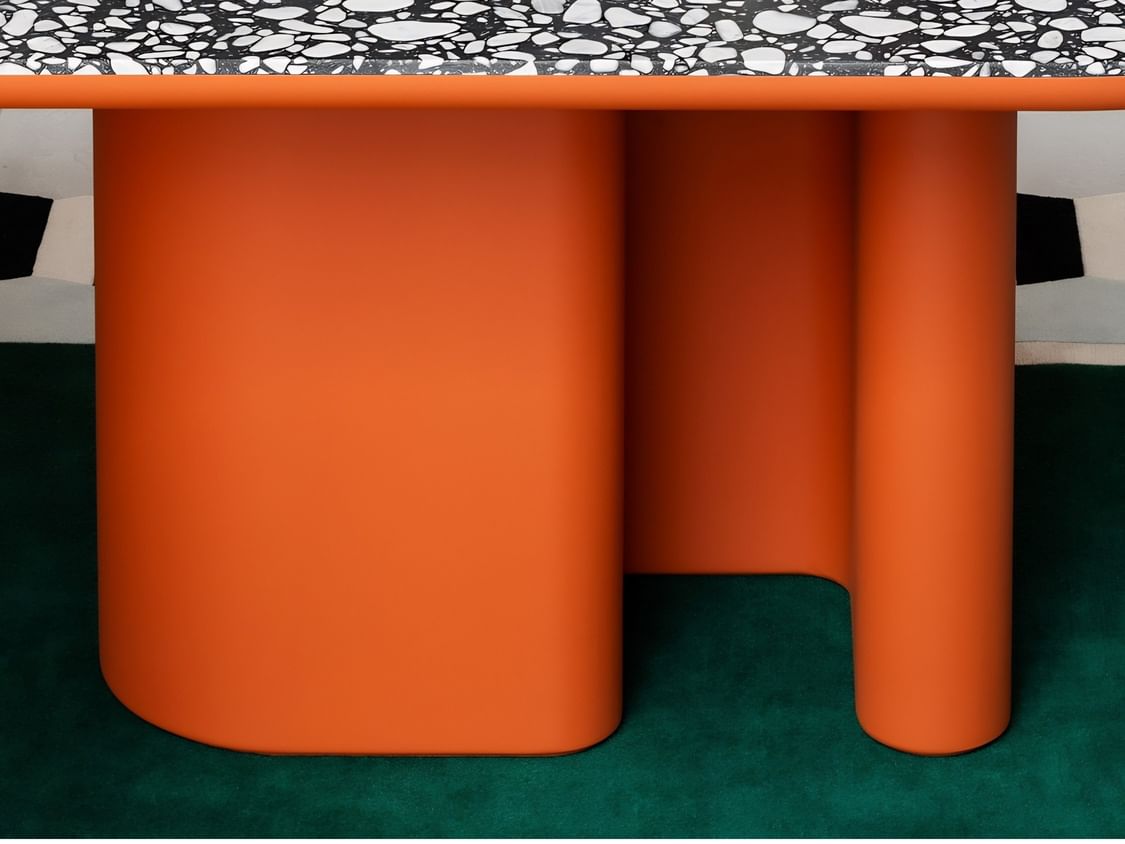
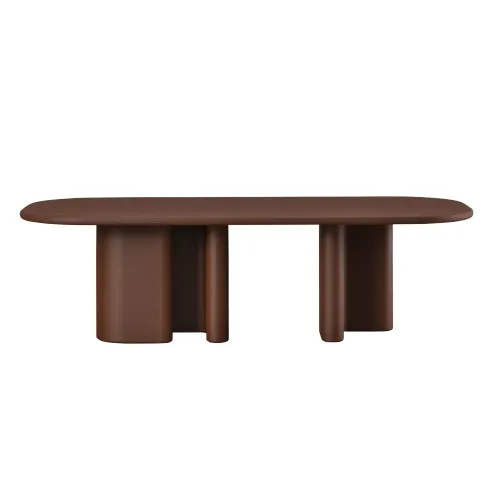
Not every statement at the fair was made through weight and density. Designed by Paolo Cappello for Miniforms, the Bonbon Dining Table introduces softer geometry and a lighter visual presence, a reminder that material intelligence does not have to mean severity.
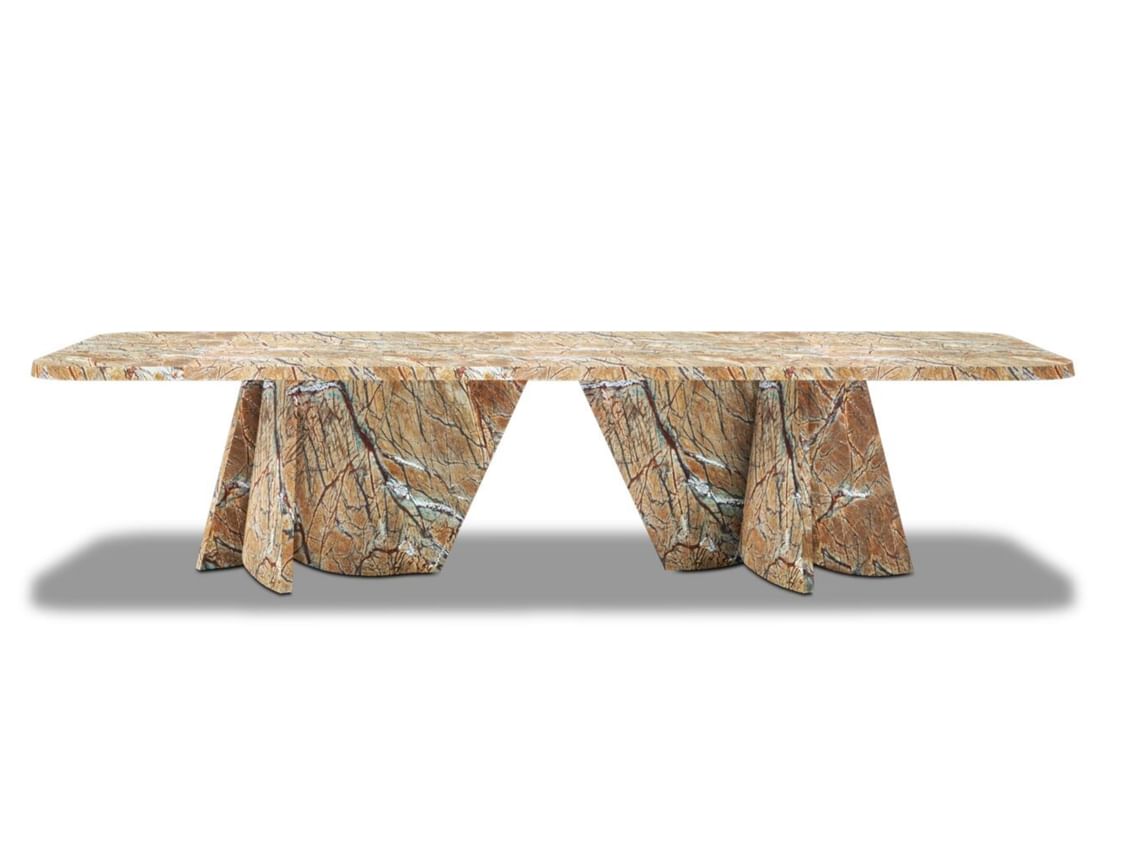
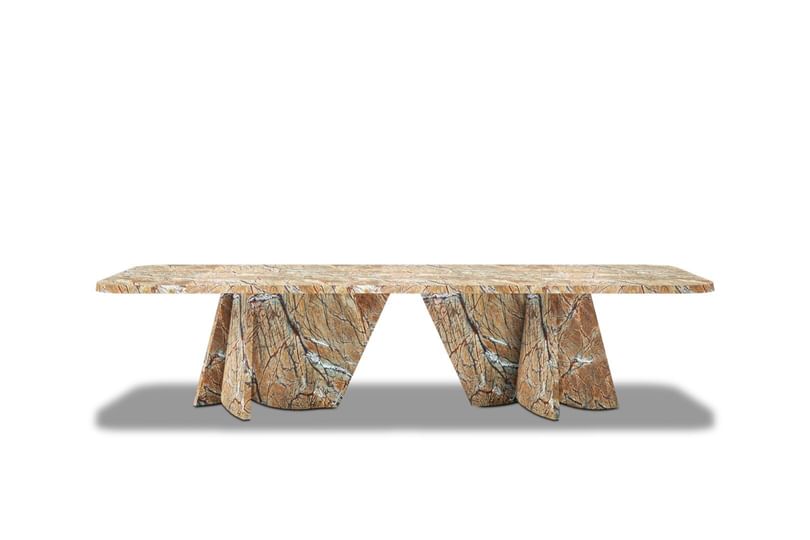
Baxter's Zaho Stone Dining Table, designed by Christophe Delcourt, transforms a traditionally heavy material into something fluid and precise. Sculpted from stone, it is architectural in presence and unexpected in resolution, pushing the boundaries of what a table can communicate within a room.
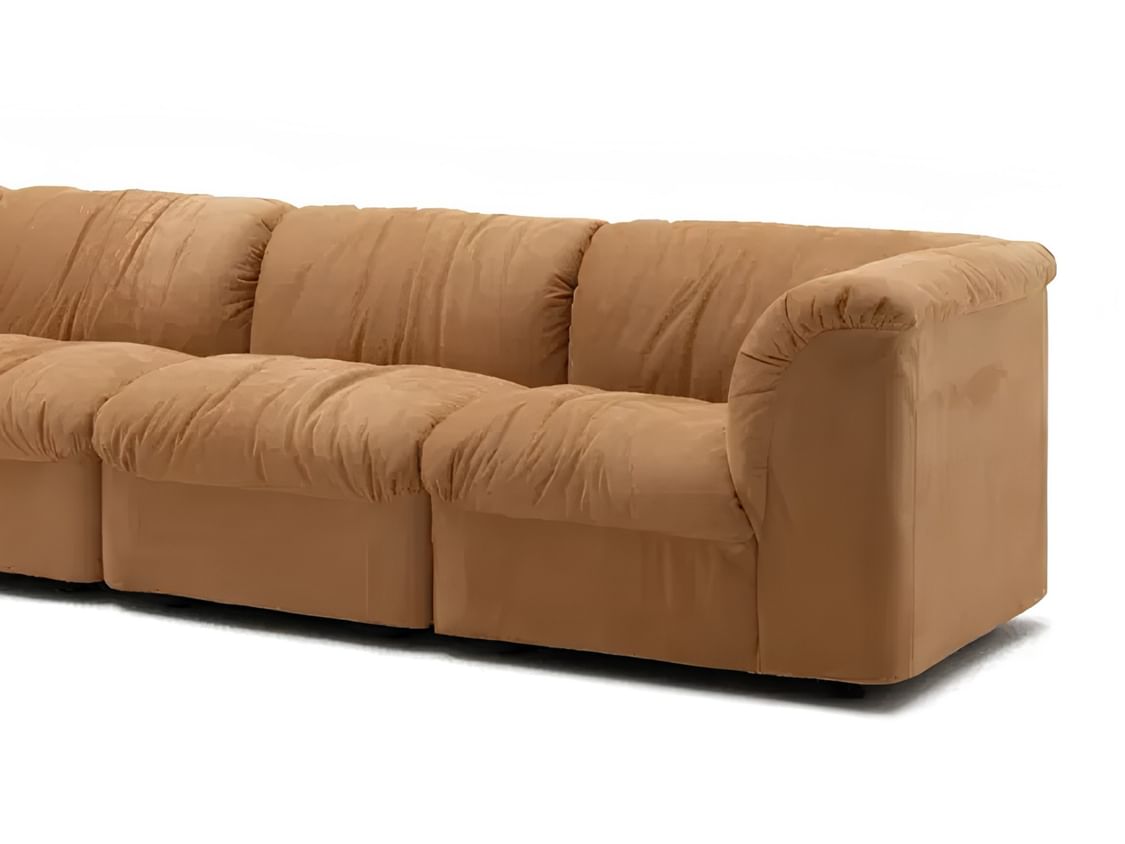
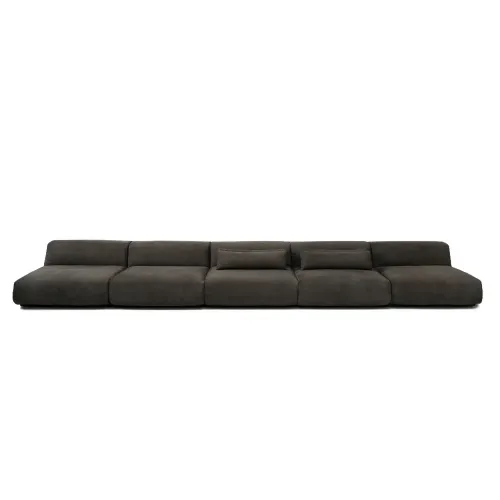
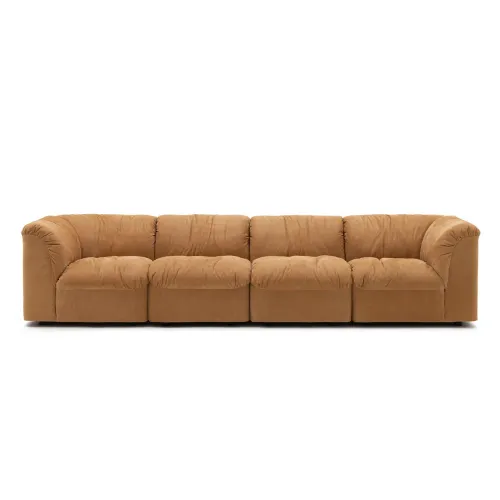
Where Tacchini leans into softness, Arflex takes a more structural approach. Designed by Tito Agnoli, the Deca Modular Sofa revisits Italian modernism through a contemporary lens. Its low profile and considered proportions offer comfort without excess, and it is one of the more quietly assured introductions of the week.
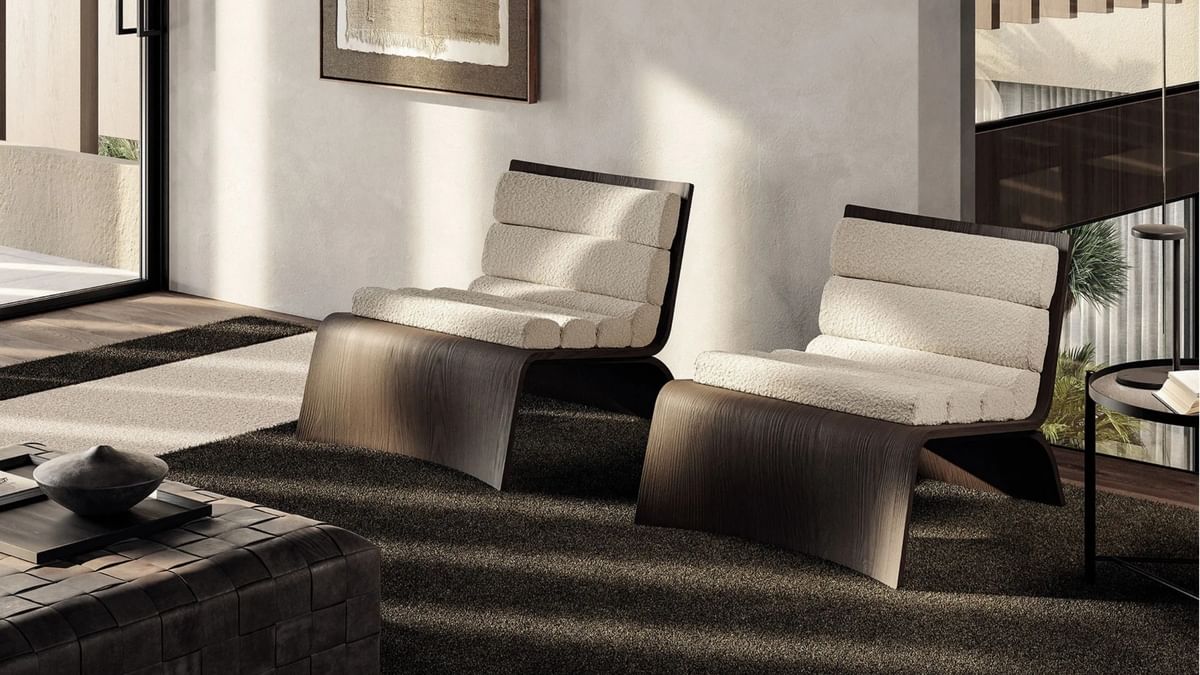
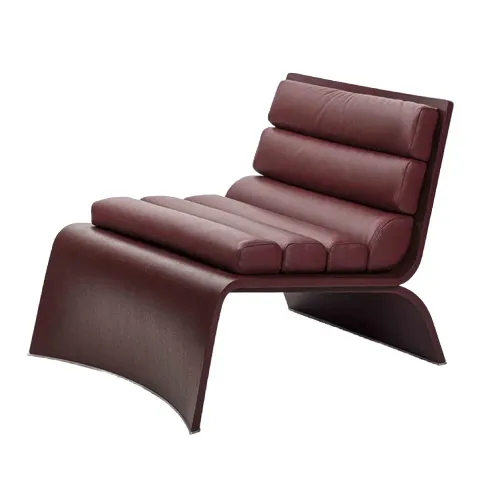
Developed by Frigerio's R&D team under Gianfranco Frigerio, the Linda Lounge Chair works within a similar register. Traditional upholstery techniques are recast in a softer contemporary profile, producing a chair that does not announce itself. It is simply present and correct.
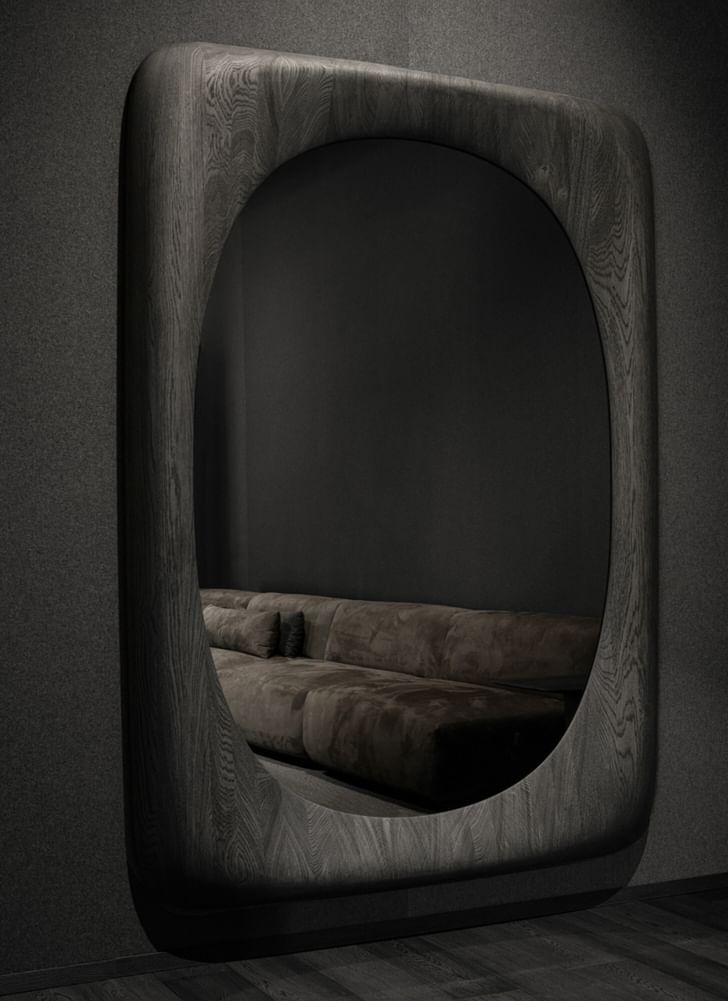
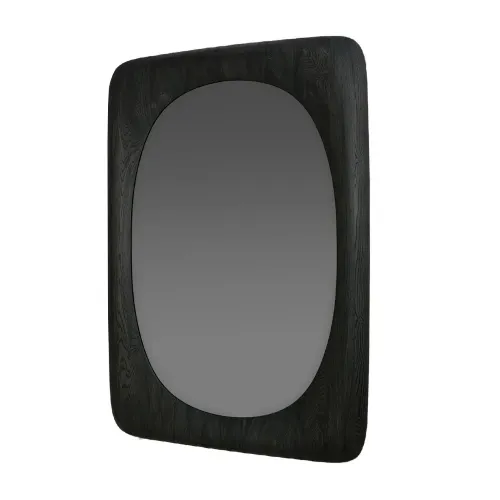
Designed by Pieter Maes for Van Rossum, the Patine Mirror earns its name. Its surface is worked to a depth that most mirrors never reach, finished with such patience and material intelligence that it reads less as an object than as a quiet presence in the room.
Craft & Quiet Design
Alongside these more expressive works, Milan also made space for a quieter design language rooted in craftsmanship, restraint, and the kind of proportion that reveals itself over time.
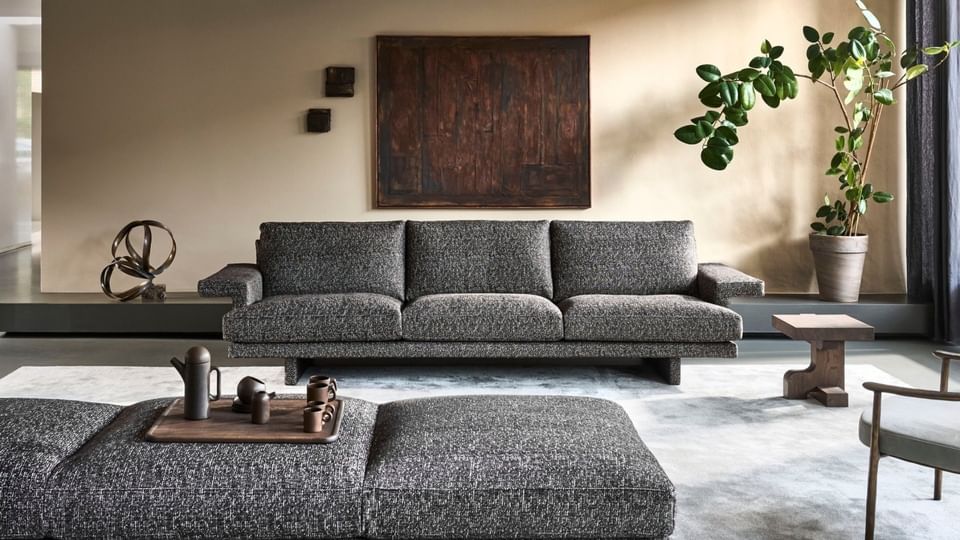
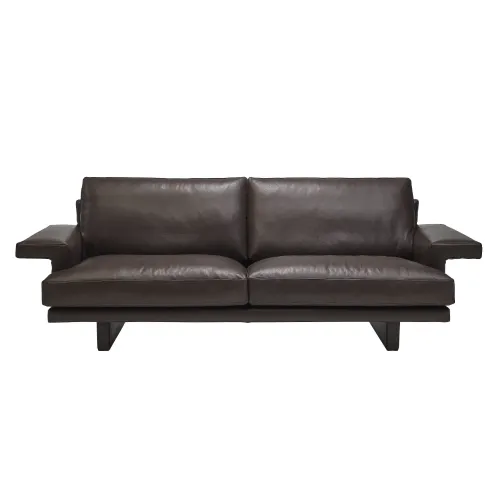
Jan te Lintelo drew his inspiration for the Frank Sofa from Fallingwater, Frank Lloyd Wright's 1934 architectural landmark. The reference is earned rather than decorative. The sofa's powerful horizontal lines, carried through into its upholstered sled base, carry the same conviction as the building that inspired them: resolved in form, generous in experience. Wide armrests that serve as much a practical purpose as a visual one speak to a designer who understands that the best furniture does not ask you to choose between beauty and use.
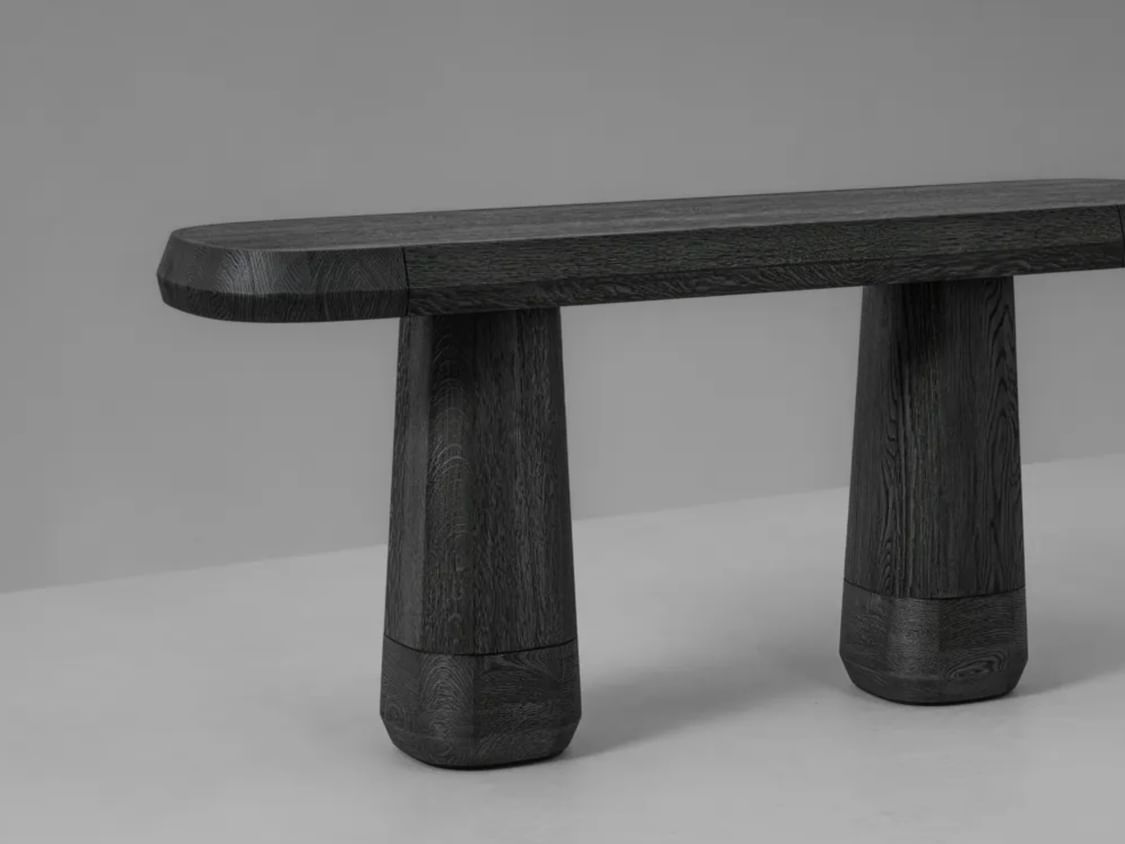
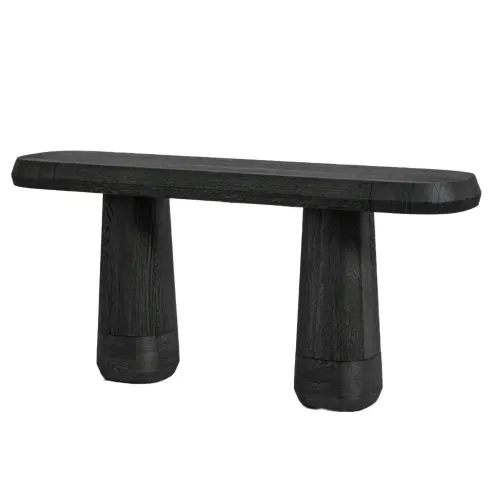
The Elefant Console, designed by Emre Yunus Uzun for Van Rossum, represents the clearest expression of what contemporary luxury furniture can be when it commits fully to craft. Solid wood construction, sculptural proportion, and a refusal to chase the moment make it one of the most enduring designer furniture pieces we encountered at Salone del Mobile 2026.
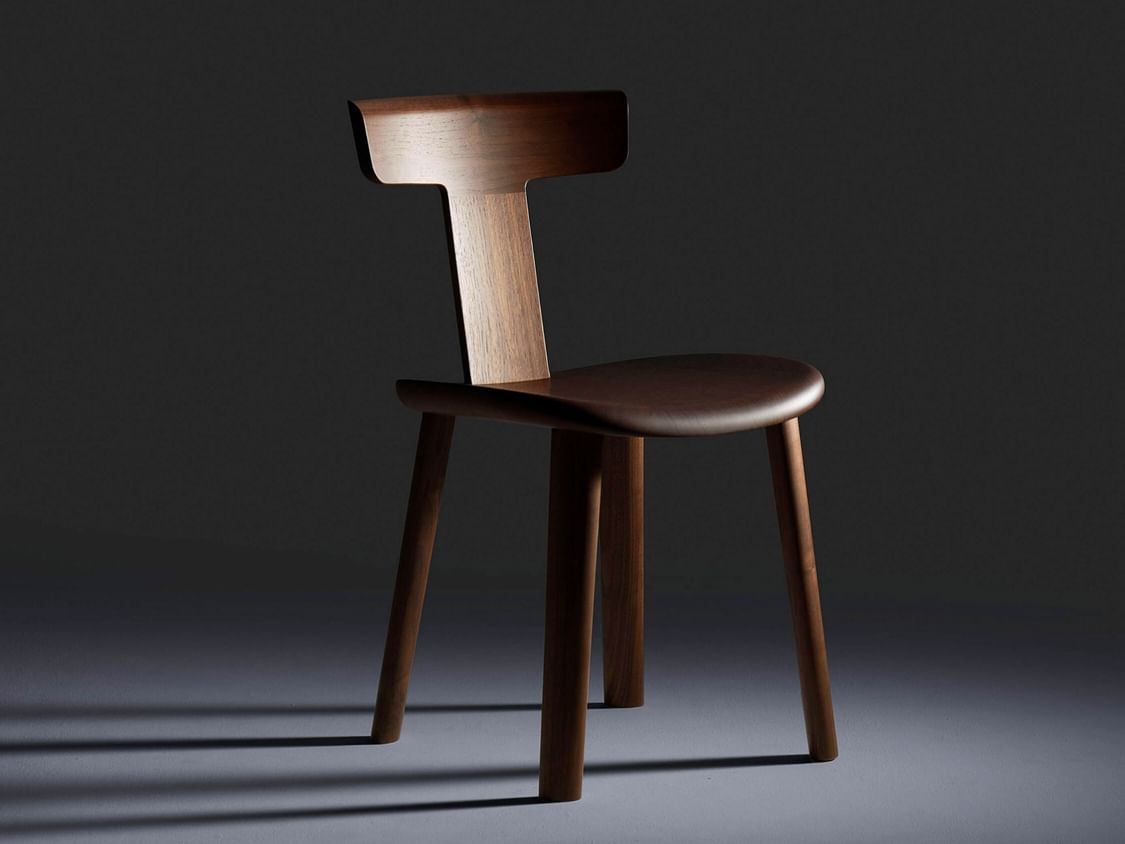
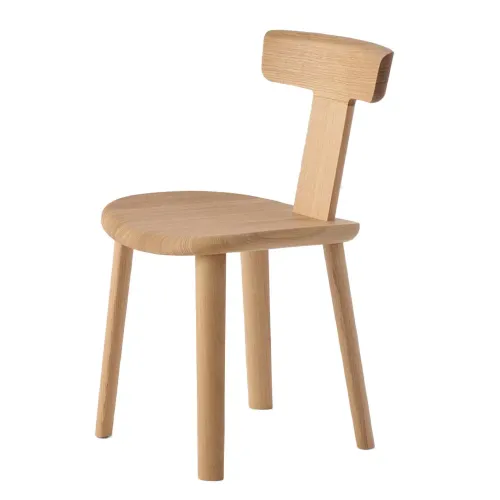
Few pieces at the fair were as considered as the Hinode Chair, Vincent Van Duysen's debut collection for Koyori. Light in silhouette and precise in construction, it carries the warmth of wood into a quietly contemporary form. Van Duysen described it as a homage to nature and new beginnings, and the chair makes good on both.
These are many of the ideas now influencing the evolving dialogue within our showrooms in New York and Chicago, particularly as we continue to expand the conversation around design rooted in craft, material integrity, and contemporary living.
To find out how our pieces can enhance your design project, please contact us at 312.329.9000 for Chicago or 212.262.9000 for New York or email [email protected]. Haute Living's design professionals are ready to assist your needs in every aspect of the design process - from conception and technical specification to final delivery and installation.